Techniques
Cutout
A person, company or channel placed between a principal and the world so the two never meet directly — how cutouts break the visible chain, in…
51 min read
Home · Techniques
Section
The working methods of influence, each with a definition, the signs to look for, and what you can do. Naming a tactic is not the same as proving who used it.
57 essays · Most recent first
Techniques
A person, company or channel placed between a principal and the world so the two never meet directly — how cutouts break the visible chain, in…
51 min read
Techniques
A name for a captive's apparent sympathy for a captor, born in a Stockholm bank vault in 1973, still used everywhere, and still without a diagnosis,…
57 min read
Techniques
Virality is rarely a long chain of friends passing content hand to hand; the record shows broadcasts, arousal, clustered reinforcement and engineered seeding doing most of…
54 min read
Techniques
A president's speech, a citizen's letter, a company's values and 'the science' can all speak in somebody else's voice — ventriloquism puts the words there, and…
57 min read
Techniques
A speaker's own words, accurately copied and falsely used — how miners cut a passage at the point where its meaning turns, and why the full…
56 min read
Techniques
A sockpuppet is one person speaking through a second, invented voice — praising, defending or attacking as if independent — and the deception lies not in…
57 min read
Techniques
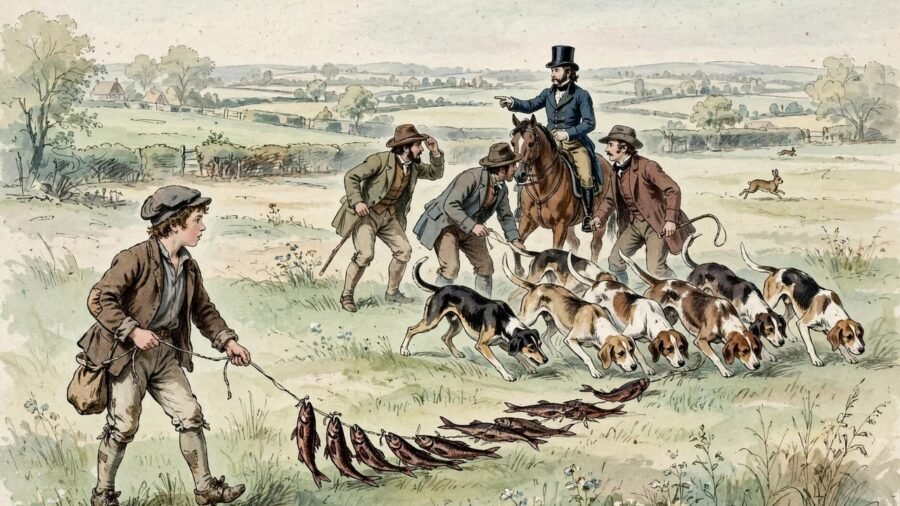
A red herring drags attention from the question at issue to a brighter, smellier topic nearby — a diversion with a fishy folklore, a classical ancestry,…
56 min read
Techniques
Narrative laundering moves a ready-made storyline through intermediaries until it looks like independent reporting or public opinion — laundering not a single claim, but the frame…
55 min read
Techniques
Misinformation is false or misleading material spread without intent to deceive — honest mistakes, outdated figures and rumours in good faith — and its study shows…
59 min read
Techniques
Malinformation is genuine information released to do harm — a private address, a stolen inbox, a true fact stripped of its context. Its difficulty is that…
54 min read
Techniques
Information disorder is the umbrella framework Claire Wardle and Hossein Derakhshan built in 2017 to replace 'fake news' — three types, three elements, three phases, and…
52 min read
Techniques
An influence operation is a planned campaign to shape what a target audience thinks or does, hiding or faking who is speaking — run by states,…
57 min read
Techniques
An organisation that looks independent but was built by someone else — how sponsors, public relations firms and sincere members combine to hide who created a…
57 min read
Techniques
Coordinated inauthentic behaviour is a platform's enforcement label, not a kind of content: it names networks that coordinate under false identities, and leaves the judgement of…
57 min read
Techniques
Bothsidesism treats opposing claims as if the evidence behind them were equal. Where the evidence can be weighed, that habit of symmetry misleads — and the…
54 min read
Techniques
A charming, confident colleague who lies without strain, takes credit without embarrassment and leaves damage without remorse is not just difficult — Babiak and Hare argue…
51 min read
Techniques
A label that claims a sincere person is being used by a cause they do not understand — a documented pattern of manipulation, and a device…
52 min read
Techniques
Dezinformatsiya is the Russian word that gave English ‘disinformation’ — a Soviet intelligence term for false material planted to mislead, whose own origin story is itself…
53 min read
Techniques
PSYOP is the military's planned use of information to change what foreign audiences feel, think and do — a disciplined, approved activity whose name now also…
58 min read
Techniques
Selective emphasis persuades without inventing: it highlights the facts, voices and comparisons that help a case and quietly leaves out those that would change it, if…
52 min read
Techniques
Information laundering moves a claim through a chain of outlets and accounts until it looks independently confirmed — its origin hidden, its borrowed credibility mistaken for…
51 min read
Techniques
Hack-and-leak steals private material and releases it on a chosen schedule, so genuine documents do the damage while the thief, the selection and the timing stay…
57 min read
Techniques
Whataboutism answers a charge by pointing at another wrong — a move as old as argument itself, named in Northern Ireland, perfected in Cold War diplomacy,…
52 min read
Techniques
A wedge issue is not chosen because a campaign cares most about it, but because the other side cannot answer it without arguing with itself in…
53 min read